About the section
The date is woven into one edge: 946 in the Muslim calendar, or AD 1539 to 1540. Beside it runs a signature, “the work of the slave of the portal, Maqsud Kashani,” who was probably the court official in charge of the commission rather than a slave in any literal sense. The Ardabil Carpet, made in north-west Iran for the shrine of the Sufi leader Shaykh Safi al-Din, is the oldest dated carpet in the world. Its wool pile carries about 5,300 knots in every ten square centimetres, and as many as ten weavers may have worked on it at once.
This section covers art made far from the studios of modern Europe and, often, long before them: the sculpture and coinage of Greece and Rome, the courts and shrines of the Islamic world, and the temples, palaces and workshops of East Asia. The objects differ wildly in scale and purpose. What they share is a history of being moved, collected, catalogued and argued over by people who did not make them.
Antiquity as a founding collection
When Berlin opened its first public museum on 3 August 1830, it put the ancient world at the centre. Karl Friedrich Schinkel designed the building, now the Altes Museum, on a commission from King Frederick William III, who wanted the collections opened for the enlightenment of his subjects. Ancient sculpture, mostly Roman, stood in a rotunda on the main floor. The basement held small antiquities: vases, bronzes, terracottas, gems, cameos and coins. The royal painting gallery went upstairs. That arrangement, with antiquity quite literally beneath the paintings, says a great deal about how nineteenth century Europe ranked the past.
The Louvre makes a similar claim on a larger scale. Of its nine curatorial departments, four begin with the ancient or medieval Mediterranean and Near East: Egyptian Antiquities; Near Eastern Antiquities; Greek, Etruscan and Roman Antiquities; and the newest, Byzantine and Eastern Christian Art. A Department of Islamic Art opened in 2012.
Islamic art and the life of objects
The Ardabil Carpet shows how such objects reached Western museums. British visitors saw it still in the shrine in 1843. Around thirty years later an earthquake damaged the shrine, and the carpet was sold to a Manchester firm, which offered it for sale in 1892. The designer William Morris inspected it for the South Kensington Museum, now the V&A, and called it “logically and consistently beautiful.” The museum paid £2,000 for it in March 1893. Since 2006 it has lain flat in a large case at the centre of the Jameel Gallery, as it was meant to be seen.
Look closely at its two hanging lamps, which are different sizes. Some read this as an attempt at perspective. Others see a deliberate flaw, reflecting the belief that only God is perfect. The V&A presents both readings and lets the question stand.
Asia and the problem of protection
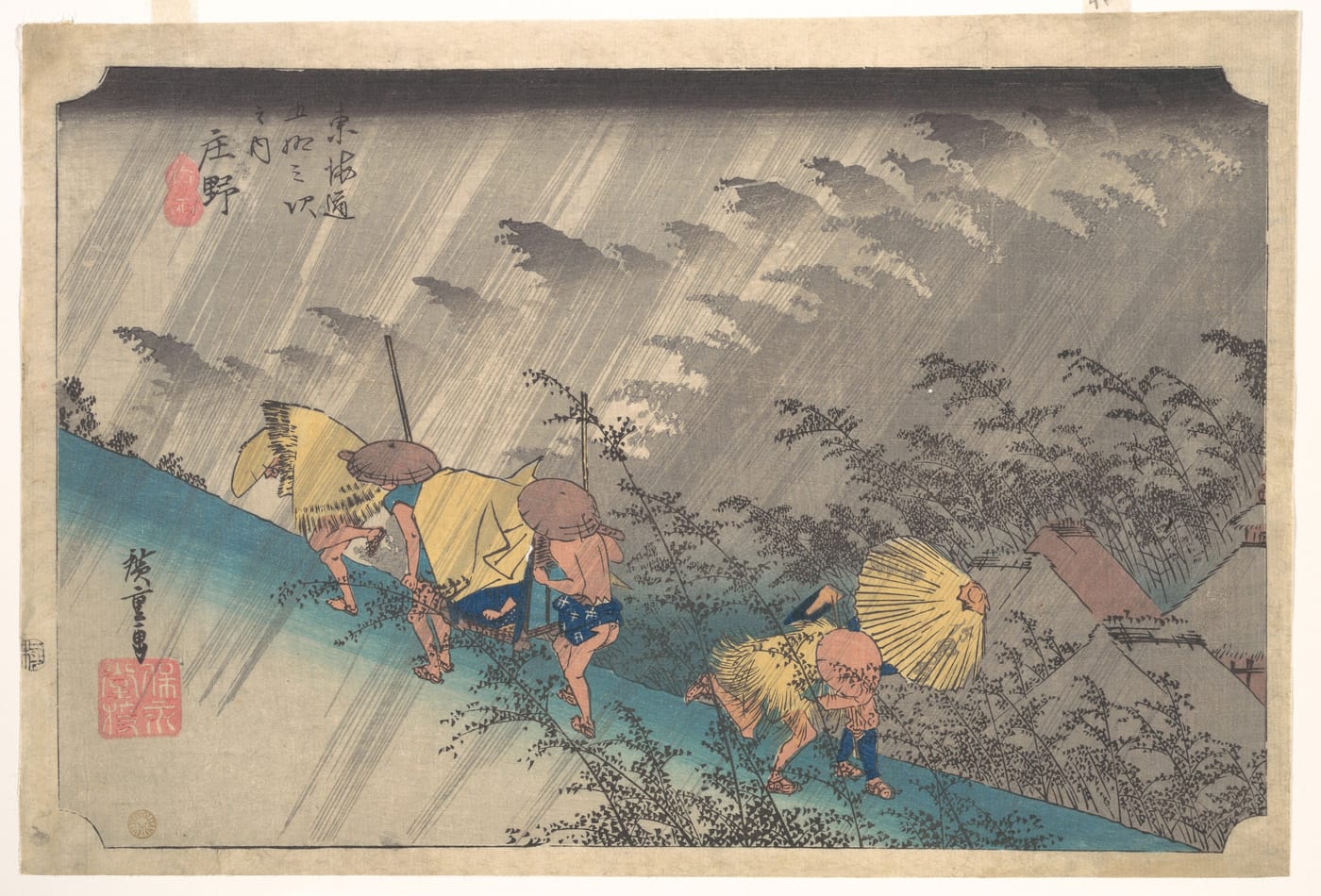
Japan offers a different story, one about keeping things at home. In 1872 the new Meiji government sent officials and the young museum that became the Tokyo National Museum on a survey of treasures held by temples, shrines and noble families. The trigger was a call to study the contents of the Shosoin Treasure House at Todai-ji in Nara. It was called the Jinshin Survey, after the zodiac name of the year. The museum describes a period when temple and shrine treasures were being sold abroad and novelty was in fashion. The survey lasted about four months, and the photographer Yokoyama Matsusaburo recorded the Great Buddha hall at Todai-ji and the five-storey tower at Horyu-ji. It was the Meiji government’s first measure to protect cultural property.
How to read this section
The articles below move between excavation and display, between a coin in a basement case and a carpet the size of a room. Read them with three questions in mind. Who made this, and for whom? How did it leave that place? And who decided what it was worth keeping?
Sources
- The Ardabil Carpet, Victoria and Albert Museum
- The Jinshin Survey: Research of cultural properties, Tokyo National Museum
- Founded on Antiquity: Berlin's First Museum, Staatliche Museen zu Berlin
- The Musée du Louvre at a glance, Musée du Louvre