About the section
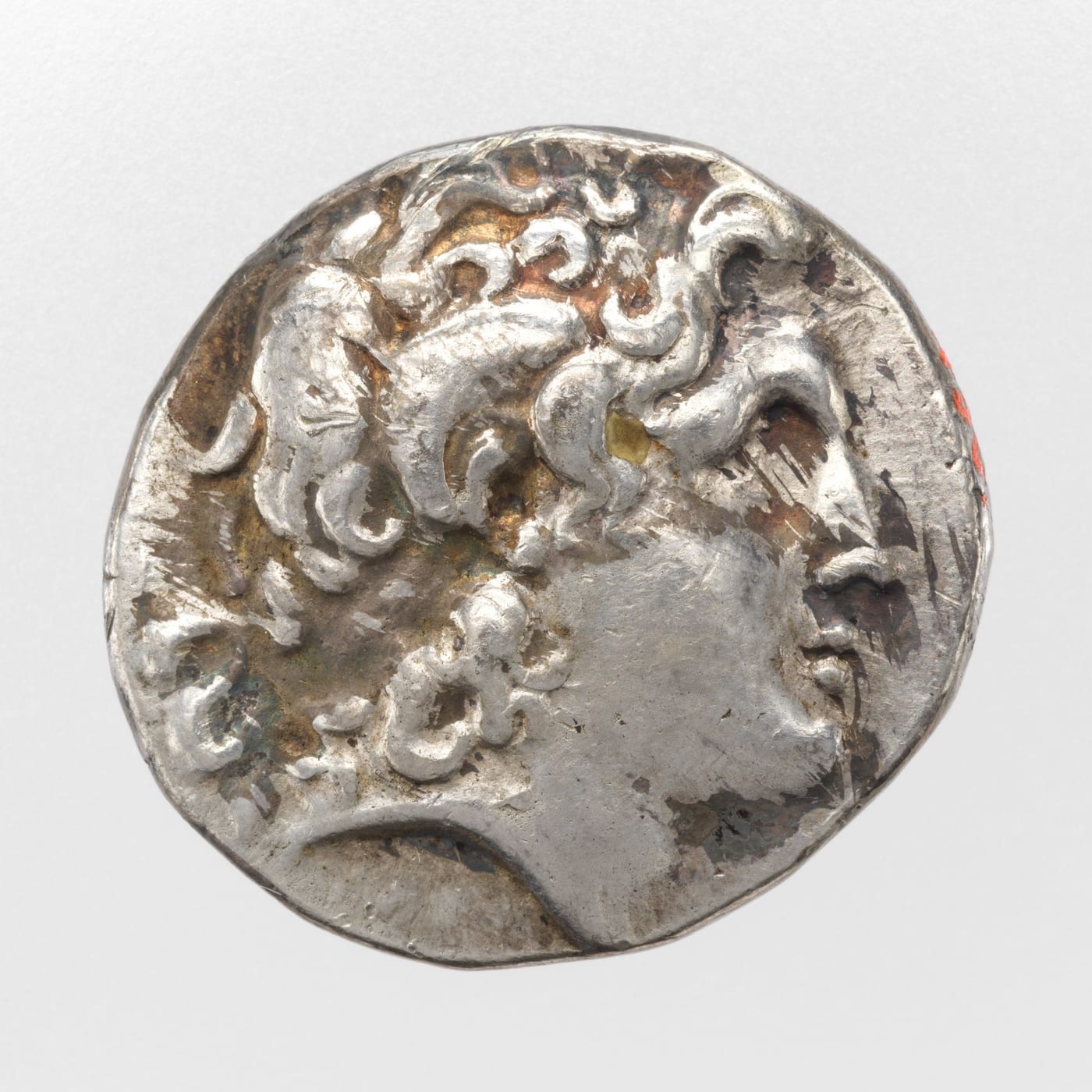
A lion’s head, struck on one face of a lump of electrum weighing about two and a half grams, is among the oldest coin designs in existence. The piece is a sixth of a stater from Lydia, in what is now western Turkey, made around 650 to 600 BC and now in the British Museum. Herodotus wrote in the fifth century BC that “the Lydians were the first people we know to have struck and used coinage of silver and gold.” He was nearly right. The earliest coins were electrum, a natural alloy of gold and silver, and their findspots point to Lydia.
Coins and medals are sculpture at a scale that fits in the hand. This section treats them that way: as works in relief, designed by artists, cut into dies or cast in moulds, and read up close.
Struck by hand
The first coins were made by placing a die carrying the design on an anvil, laying a blank of metal on top, and hammering a punch onto the back. One face carried a design; the other carried only the mark of the punch. The lion has often been taken as the sign of the Lydian kings, but the British Museum’s label stops short of saying who struck the first coins. That caution is a good habit for anyone looking at ancient money. Design, weight and findspot all have to be weighed together.
Coins entered public museums early. When the Altes Museum in Berlin opened in 1830 as the city’s first public museum, its basement held small antiquities including gems, cameos and coins, beneath the sculpture and painting galleries.
The Renaissance medal
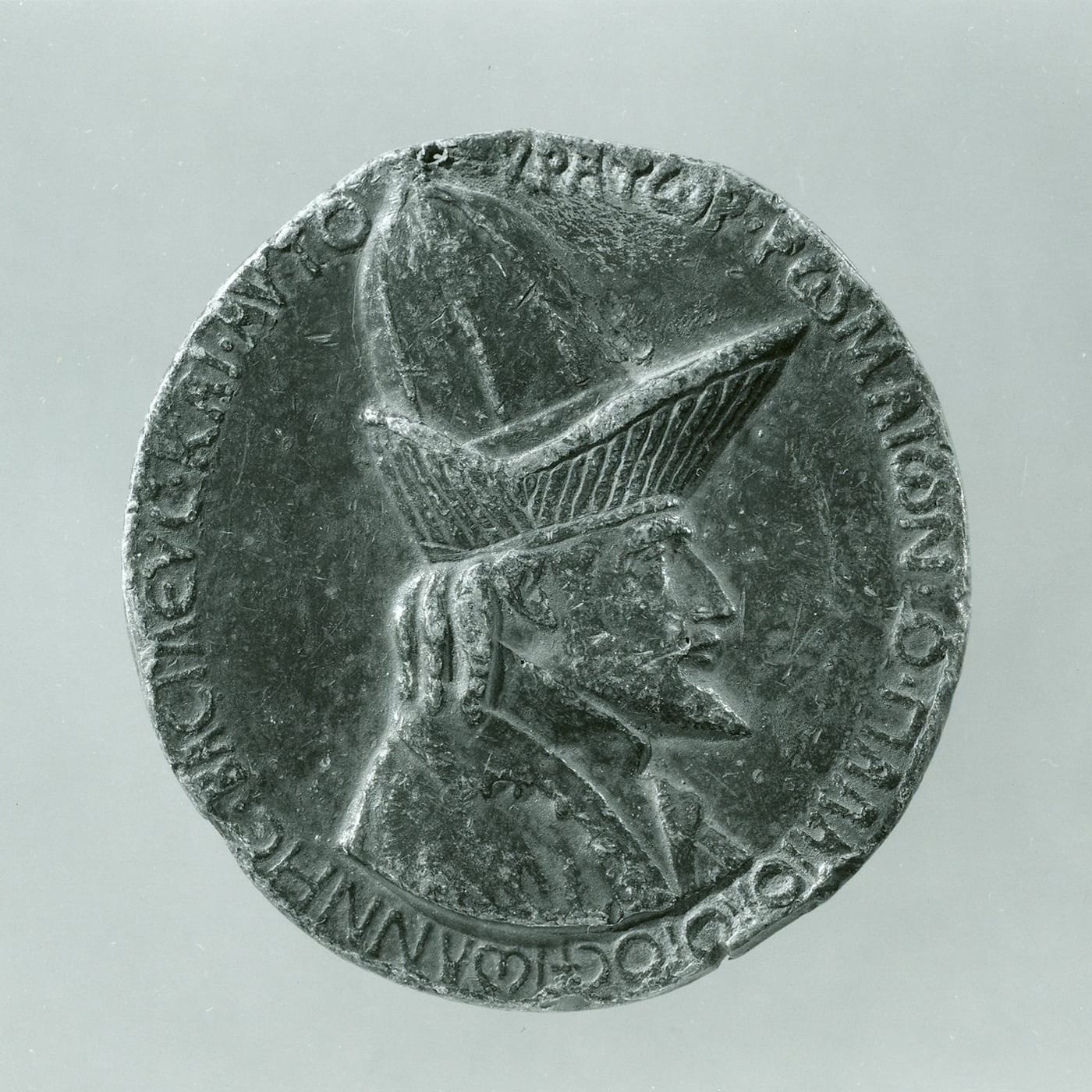
The portrait medal as a form owes most to one artist. In 1438 to 1439 the Byzantine emperor John VIII Palaeologus attended a conference in Ferrara, and Pisanello marked the visit with a cast bronze medal. The V&A, which holds an example, suggests it may be his first medal, which would make it the earliest true portrait medal of the Renaissance. The obverse shows the emperor’s profile with a Greek legend naming him king and emperor of the Romans; the reverse shows him on horseback before a wayside cross. Two-sided medals of this kind commemorated people and events and served as gifts and keepsakes. Their models were Roman coins, with rulers on one side and allegories on the other, which humanist scholars dug up across Italy and collected eagerly. Pisanello’s design set the format for generations of commemorative medals. The V&A acquired its example in 1863.
An American sculptor and the coinage
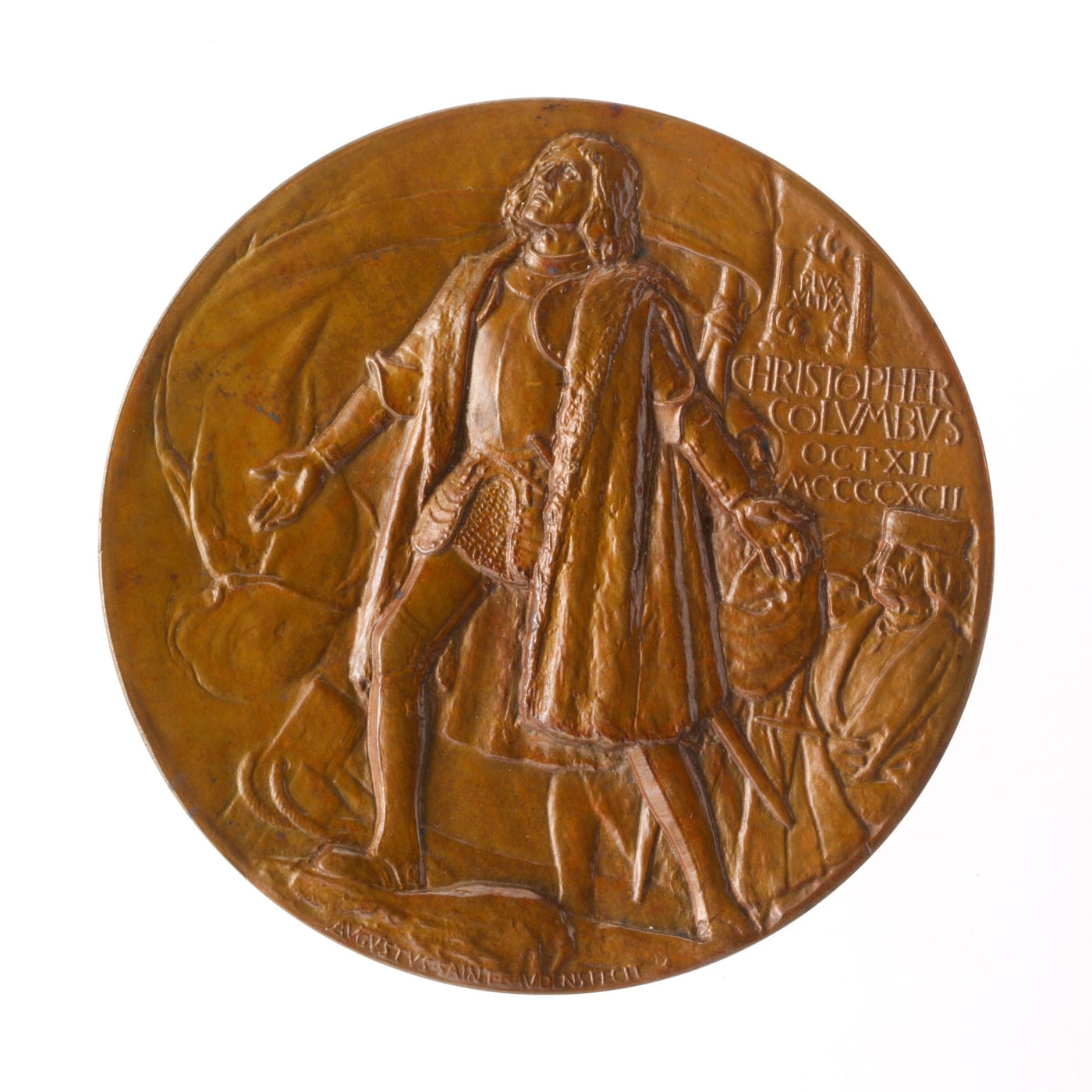
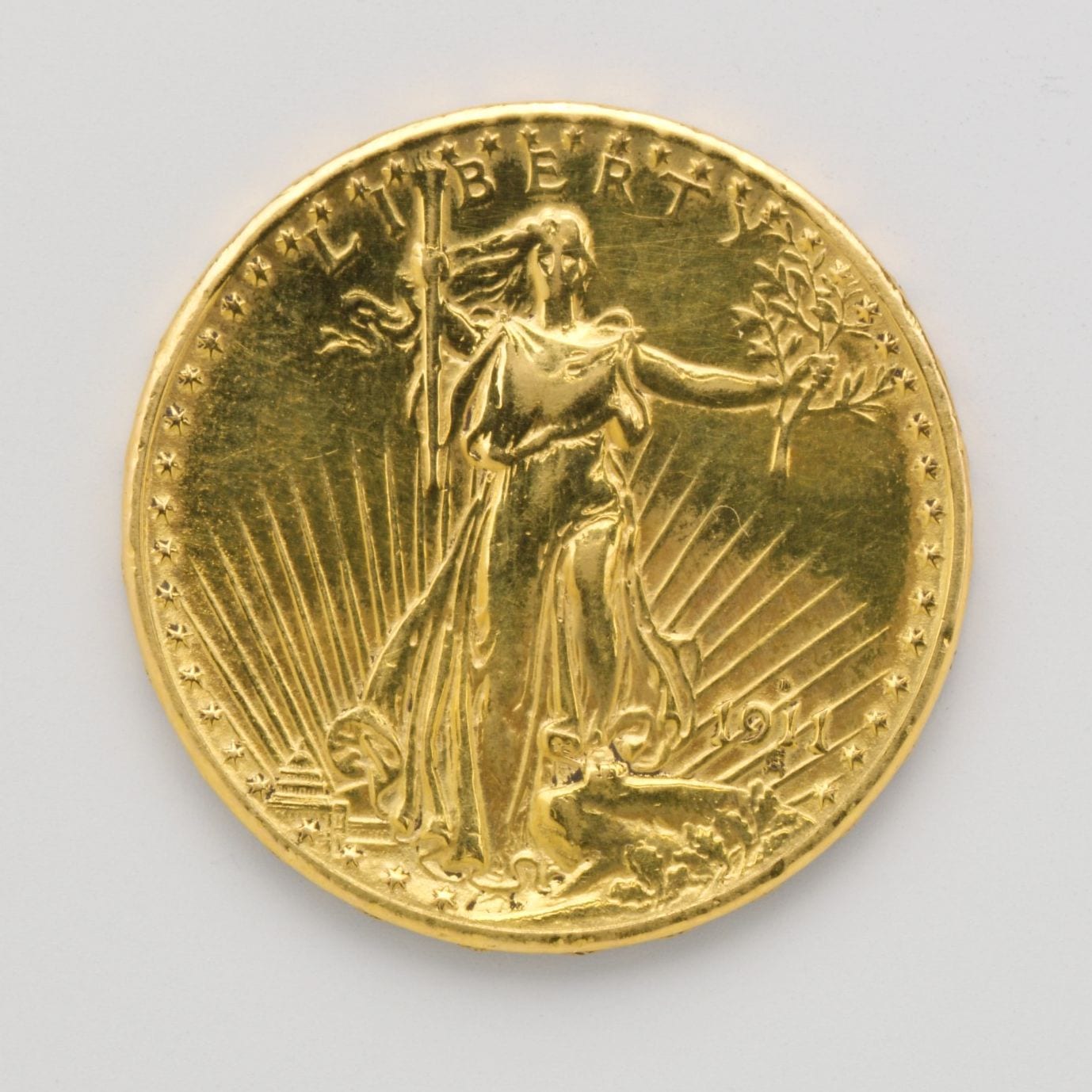
Augustus Saint-Gaudens, who lived from 1848 to 1907, was the most admired American sculptor of his day. His public monuments include the Farragut Monument in Madison Square Park, the Shaw Memorial on Boston Common and the Sherman Monument at Grand Army Plaza in New York, and he also made portrait busts and reliefs. Late in life he designed the United States $10 and $20 gold coins first minted in 1907. President Theodore Roosevelt championed the redesign, and among the $20 pieces of 1907 were experimental patterns struck in ultra high relief. Roosevelt gave one to his daughter Ethel for Christmas in 1907; it is now in the Smithsonian Institution. In 2009 the United States Mint struck an ultra high relief collector version of the same design.
How to look at a coin
Tilt it. Relief only comes alive in raking light, and a design that looks flat on a museum label can turn sculptural at an angle. Read the legend, check the edge, compare obverse and reverse. The articles below follow coins, medals and the collections that hold them, from ancient mints to modern commemoratives.
Sources
- Lydian Electrum, Hallie Ford Museum of Art, Willamette University
- John VIII Paleologus, medal by Pisanello, Victoria and Albert Museum
- Augustus Saint-Gaudens, Saint-Gaudens Memorial
- 1907 UHR among ANA displays, Numismatic News
- Founded on Antiquity: Berlin's First Museum, Staatliche Museen zu Berlin